You don't have a credibility problem. You have a visibility problem.
The thinking is there. The track record is there. But the people who should know about you are forming opinions based on what they can find. Fragments. Quotes pulled from other contexts. Secondhand accounts. None of it authored. None of it on your terms. Silence isn't neutral. It's an opening for someone less qualified to steer the conversation you should be leading.
- Being underestimated is a temporary condition.
What staying invisible actually costs you
Louder voices fill the vacuum
Every month you don't publish with authority, someone less qualified shapes the conversation you should be leading. Not because they're better. Because they're visible and you aren't.
You re-prove yourself constantly
Without a body of work to point to, every new conversation starts from zero. You earn trust you've already earned, over and over, with people who should already know.
Opportunities pass you by
The meeting that didn't happen. The introduction that wasn't made. The shortlist you weren't on. You can't see what you're missing, which is exactly what makes invisibility the wrong default.
The wrong people define your industry
When you don't author your own narrative, someone else fills the gap. A competitor, an outdated bio, a misquote from three years ago. The public version of your field drifts further from the truth every month you stay quiet.

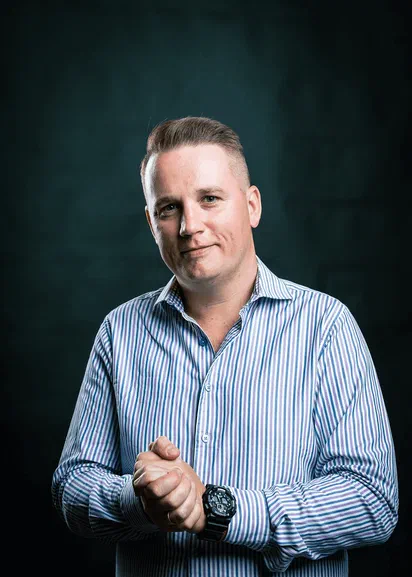


A ghostwriting and strategy studio for underexposed ideas and underestimated experts.
Not posts. Not content for content's sake. Written work that builds reputational mass — the kind that opens doors in rooms you're not in. The clients don't publish for visibility. They publish for leverage.
The work happens upstream.
Most clients are sharp. They've built real things, operated with depth and precision. But somewhere between their judgment and how it gets represented, the signal degrades. Staff summarize it poorly. Interviewers excerpt it out of context. By the time it reaches the people who matter, it's unrecognizable. The work begins before that degradation, at the level of the thinking itself.
Ghostwriting isn't a shortcut.
It's how smart people scale signal. The ideas, expertise, and perspective are yours. What gets extracted, structured, and published is what you already know, given the form and clarity it needs to travel. Nothing fabricated. Nothing invented. The substance has to be real, or there's no point.
One person. No layers.
Studio model. No account teams. No production layers. The person on the intro call is the person doing the work. Selective by design, because scaling would eliminate what makes the work valuable. Most relationships last months or years because the work compounds. That's the point.
Extract, codify, publish.
Pull the valuable thinking out through structured conversations and review of existing material. Turn scattered thinking into structure, language, and frameworks that can travel. Produce the final artifact: op-ed, pitch deck, memo, framework documentation, newsletter, essay, book proposal, keynote script, website copy. Whatever form the thinking needs to take to do its job.
This works if you recognize yourself here.
You think constantly but publish sparingly.
The gap between what you know and what the world can see frustrates you. You have ideas worth defending. They stay locked in notes, Slack threads, and conversations that disappear.
You're tired of being overshadowed.
Less capable people are building bigger platforms. They're getting into rooms you should be in. Not because they're better. Because they're visible and you aren't.
You want leverage, not fame.
You want to set the tone in your category, own the conversation in your domain, and be recognized as the obvious authority without having to explain yourself to amateurs.
This doesn't work for everyone.
Anyone chasing visibility without depth.
If the goal is follower counts, viral moments, or content for content's sake, this isn't the right fit. The work is for people who want power, not posts.
Imitation-based operators.
Business models borrowed from whoever is loudest this week. Positioning that's a variation on a competitor's point of view. The work requires an independent perspective worth defending.
Anyone who believes their product speaks for itself.
At a certain level, it doesn't. The people forming opinions about you are working from what they can find. If what they find is nothing, that's the answer they get.
One pattern. Every domain.
Engineering, space, energy, nuclear, healthcare, cybersecurity, deep tech, manufacturing, UX, and more. The skill isn't domain expertise. It's the ability to embed, ask the right questions, and reach fluency fast enough to write credibly for any technical audience.
+
Years
+
Industries
+
Client engagements
A private production partnership for testing, refining, and deploying your ideas.
Four sessions per month plus unlimited async. For people who think at depth but need a partner to help that thinking travel outside their head. Month-to-month. No minimum.
Twelve ideas. One coherent body of work. One year.
Turn your most consequential ideas into a deliberate, authored body of written work. One substantial piece per month. Twelve scenes over a year. Four clients maximum.
The thinking you've built deserves to be in the world.
Every month you stay invisible is another month someone less qualified shapes the conversation you should be leading. Tell me what you're working on and why now. Every inquiry is reviewed personally.
Grow Your Team, Grow Your Business
Streamline HR processes and empower your team with our products. Facilitate manage employee data, and more in one platform.